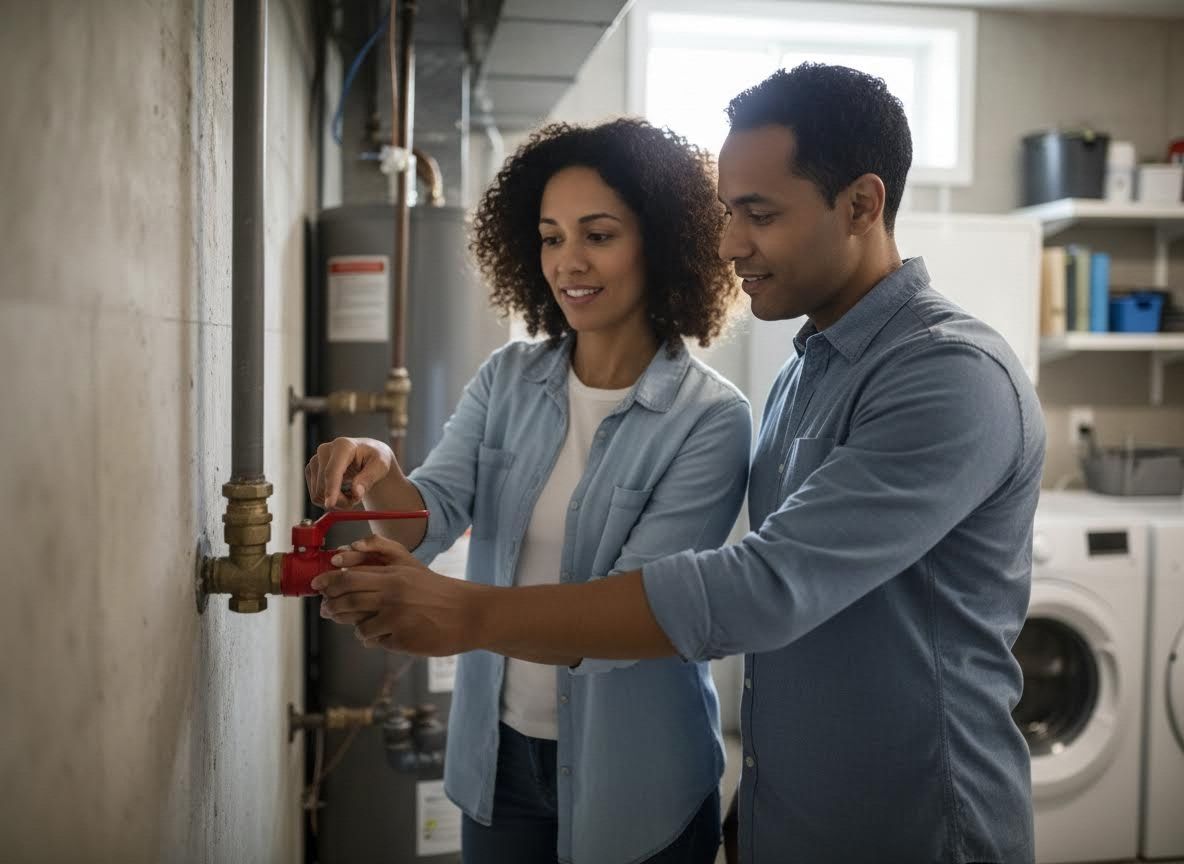
Understanding the location and function of your home's main water shut-off valve is one of the most important pieces of homeowner knowledge you can possess. In the event of a sudden leak or burst pipe, knowing how to quickly cut off your water supply can prevent extensive damage, save you money on repairs, and provide peace of mind. Here at Jump 2 It Plumbing LLC, we believe that informed homeowners are empowered homeowners, and we’re here to help you understand this crucial component of your plumbing system.
The Critical Importance of Your Main Water Shut-Off
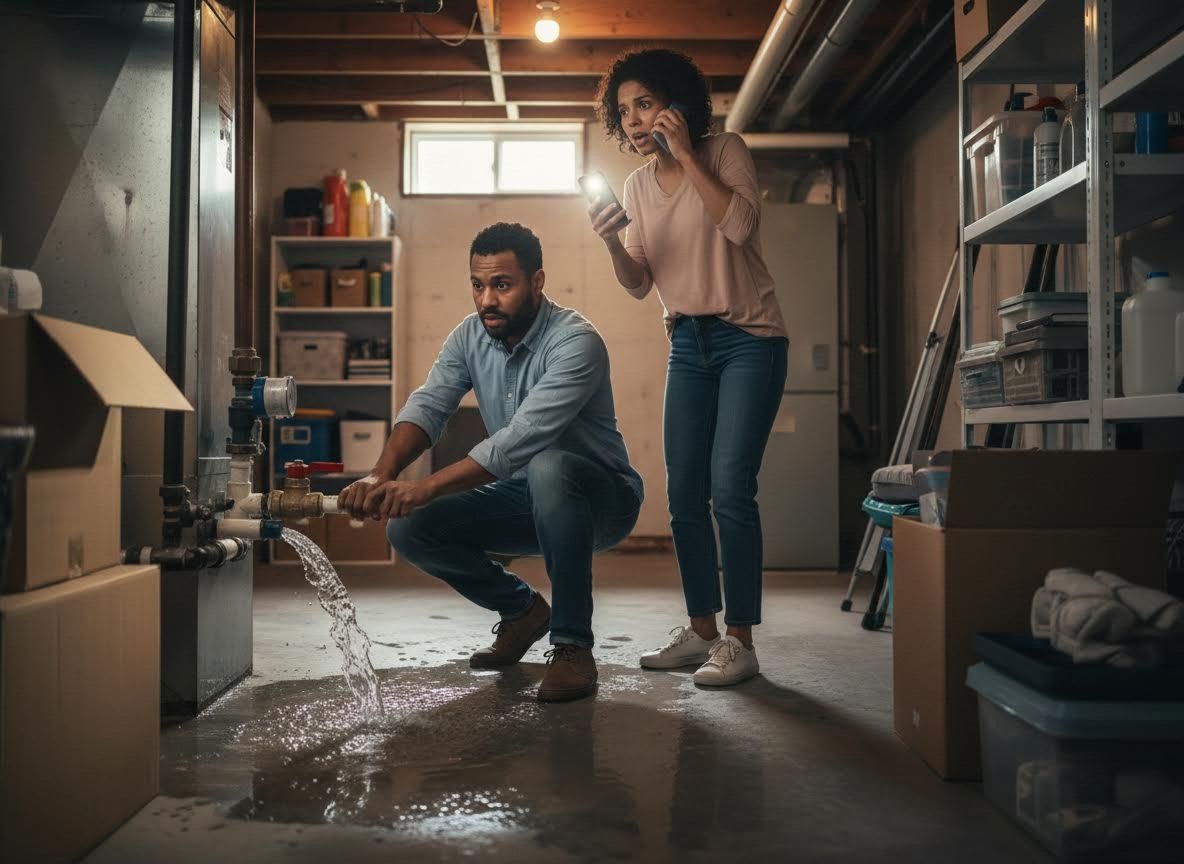
Imagine a scenario: you hear a sudden gush of water, and discover a pipe has burst or a fixture is uncontrollably leaking. Panic can quickly set in. Without a swift response, gallons of water can flood your home, causing significant damage to floors, walls, and personal belongings. Your main water shut-off valve is your first line of defense in such an emergency. By quickly turning off the water supply, you can stop the flow, mitigate damage, and gain valuable time to assess the situation and call for professional help. This simple act can transform a potential disaster into a manageable repair, saving you thousands of dollars in water damage restoration.
Where to Find Your Main Water Shut-Off Valve
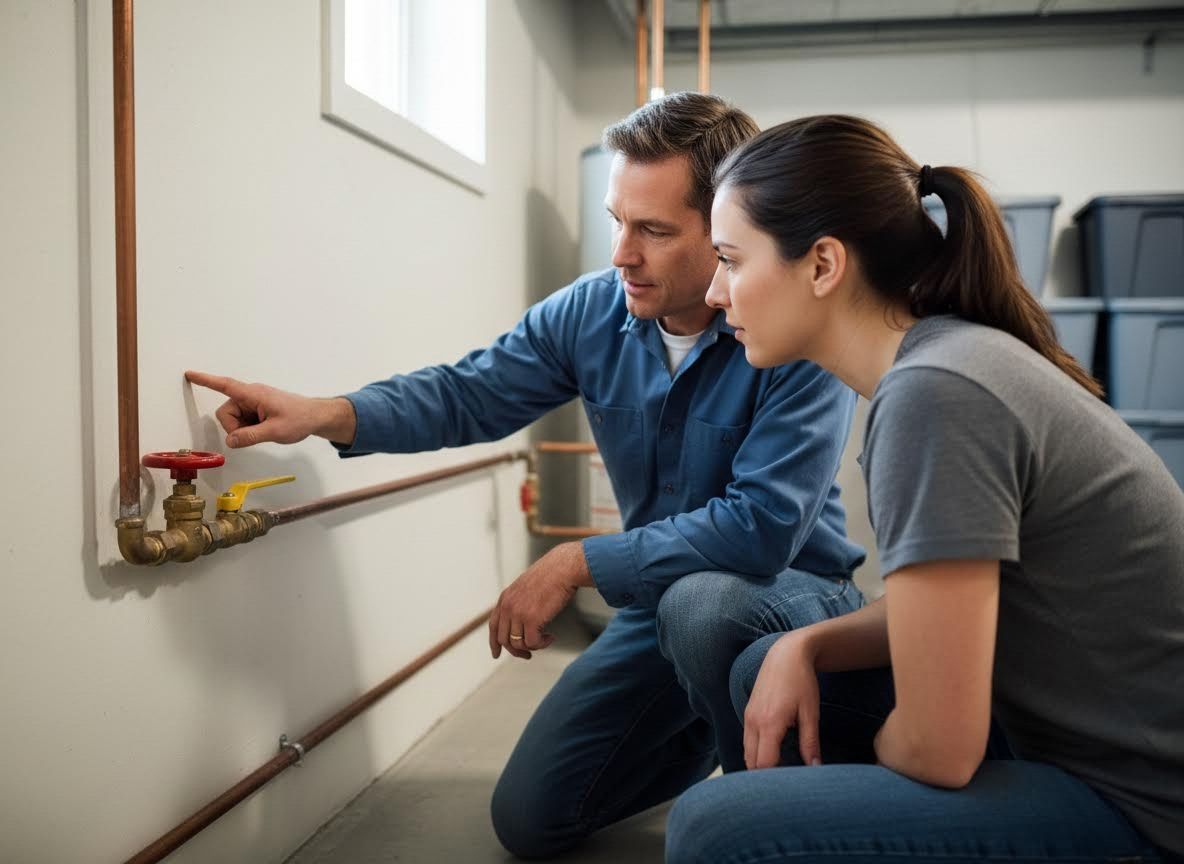
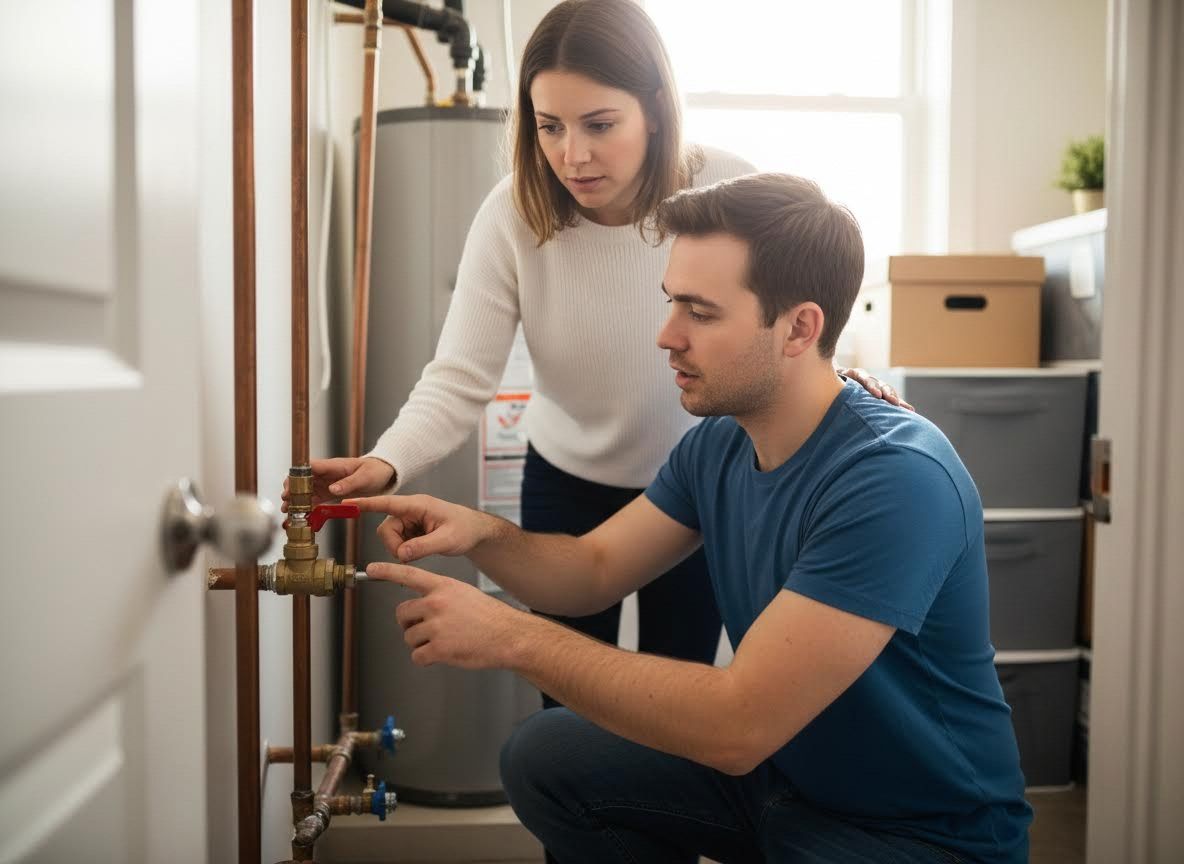
Locating your main water shut-off valve is often easier than you think, but its exact position can vary depending on your home's age and design. For many homes, particularly those with basements or utility rooms, the valve is typically found where the main water line enters the house. This could be near your water heater, furnace, or laundry area. In homes without a basement, look in a utility closet, garage, or sometimes even under the kitchen sink. For homes in warmer climates like Las Vegas, the valve might be located outside, usually near the foundation or close to your water meter. It’s often a red, blue, or green handle, or a wheel, and usually has a larger pipe leading to it.
How to Safely Turn Off Your Water Supply
Once you've located your main water shut-off valve, familiarize yourself with how it operates. There are generally two types: a gate valve (which has a round handle that you turn clockwise multiple times to close) and a ball valve (which has a lever handle that you turn a quarter turn to be perpendicular to the pipe to close). To shut off your water, firmly turn the handle until it stops. After turning it off, open a faucet on the lowest level of your home to drain any remaining water from the pipes. If you encounter any resistance or if the valve seems stuck, do not force it, as you could cause further damage. In such cases, or if you simply can't find your valve, it’s best to contact a plumbing professional.
Ensuring Your System is Ready for Anything
Knowing your main water shut-off location is just one aspect of maintaining a healthy plumbing system. Regularly inspecting your pipes for drips, ensuring your water heater is functioning correctly, and addressing minor issues before they escalate can save you a lot of headaches down the line. If you're unsure about the state of your shut-off valve, or if it hasn't been operated in years, it's wise to have a professional plumber inspect it. They can ensure it’s in good working order and replace it if it’s corroded or stuck, preventing future emergencies.
Be Prepared, Be Protected
Mastering the location and operation of your home's main water shut-off valve is a fundamental skill for any homeowner, offering vital protection against unexpected plumbing emergencies. This simple knowledge can be the difference between a minor inconvenience and extensive, costly damage. For reliable Emergency plumbing services in Las Vegas, or if you suspect you need leak detection services, remember that Jump 2 It Plumbing LLC is always ready to assist. If you need help locating your valve, or have any other plumbing concerns, contact our knowledgeable team for professional and friendly service.